Spooky Style: Unlocking Creative Potential with Halloween Ghost Illustrations
There is a specific kind of magic that happens when a design project embraces the season without becoming cliché. For designers, marketers, and content creators working on autumn campaigns, the challenge isn't finding Halloween imagery—it is finding assets that look professional, modern, and versatile. This is where high-quality Halloween Ghost Asset Illustrations come into play. We aren't talking about generic, pixelated clip art from the early 2000s. We are looking at a curated set of vector and raster graphics designed to bring a sophisticated, playful, or eerie atmosphere to your work. If you are building a brand identity for a seasonal product, designing a landing page for a Halloween sale, or crafting social media graphics that stop the scroll, having the right assets in your toolkit changes everything.
Visual Personality and Technical Flexibility
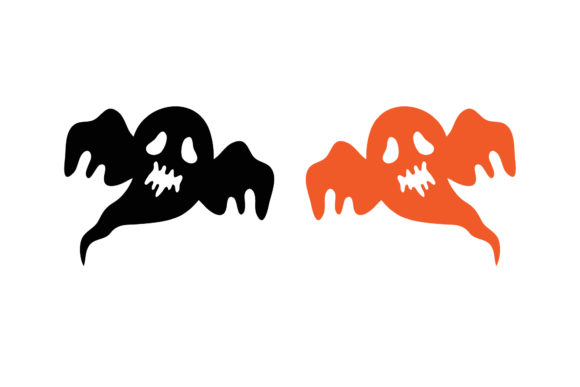
The visual language of modern Halloween design has shifted. We have moved past the purely terrifying motifs of slasher films and into a realm that embraces whimsy, retro vibes, and "spooky-cute" aesthetics. High-quality ghost illustrations typically capitalize on this trend. You can expect to see characters ranging from friendly, sheet-wearing specters perfect for a family-friendly bakery campaign to more abstract, misty shapes that suit a high-end cocktail bar's October menu. The appeal lies in their personality—these assets often feature soft textures, expressive faces, and a balance between negative space and detail that makes them easy to integrate into complex layouts without overwhelming the typography.
However, the true value of a professional asset pack lies in its file compatibility. When you are working across different mediums, you cannot afford to be restricted by a single file type. This is why the availability of Halloween Ghost Asset Illustrations in AI, EPS, SVG, DXF, and JPG formats is critical for a professional workflow.
For digital designers working in Adobe Illustrator or Affinity Designer, the AI and EPS formats are the gold standard. These vector files allow for infinite scalability. You can take a small ghost icon intended for a website favicon and blow it up to the size of a billboard without losing a single pixel of sharpness. This is essential for logo design or packaging where print quality is non-negotiable. Furthermore, vector paths mean you have complete control over the colors. If the ghost is white but your brand palette calls for a neon green, you can adjust the anchor points and fills in seconds.
The SVG format has become the hero of modern web design and app development. It is lightweight, scales perfectly on retina displays, and can even be animated using CSS or JavaScript. If you are a web developer looking to add a subtle floating ghost animation to a 404 page or a holiday landing page, SVG is the only way to go. On the other end of the spectrum, the DXF file is a lifesaver for crafters and hobbyists. If you own a Cricut or Silhouette machine, DXF files allow you to cut these ghost shapes out of vinyl, cardstock, or heat-transfer material. This opens up a world of physical product creation, from custom t-shirts to intricate paper decorations.
Finally, the inclusion of high-resolution JPG files sized at a generous 1920 px x 1280 px canvas ensures that even those without advanced editing software can use these assets. This size is optimized for immediate use in digital publishing, presentations, and video thumbnails. It is large enough to cover a background but optimized enough not to slow down your website's load times significantly.
Strategic Application in Branding and Marketing
Using seasonal graphics effectively requires a strategy that goes beyond simply placing a pumpkin on a poster. For small business owners and marketers, Halloween Ghost Asset Illustrations offer a unique opportunity to humanize a brand. A friendly ghost character can become a temporary mascot for October, guiding users through your website or appearing in email headers to announce a flash sale. This kind of visual storytelling increases audience engagement because it feels timely and relevant.
Consider the impact on visual hierarchy. A well-placed illustration acts as a focal point, drawing the eye toward a call-to-action button or a headline. Because these assets come in various styles—some minimalist, some detailed—they can support different levels of hierarchy. A detailed, textured ghost might serve as the main hero image, while a simple, flat-outline ghost could work as a subtle background pattern or a bullet point icon in a blog post.
For content creators and bloggers, consistency is key to building a recognizable brand identity. By downloading a cohesive pack of illustrations, you ensure that your Instagram stories, your Pinterest pins, and your blog headers all share the same visual DNA. This consistency builds trust. When a follower sees your content, they should immediately recognize the aesthetic, even before reading the caption. Using these ghost assets allows you to maintain a professional look without spending hours creating custom graphics from scratch every time you need to post.
Practical Guide to Choosing and Using These Assets
When integrating these assets into your workflow, practical considerations matter. First, evaluate the "vibe" of the illustration against your target audience. If you are marketing a haunted house attraction, you might want ghosts with sharper angles and darker shading. If you are designing an invitation for a children's party, look for the rounder, friendlier shapes within the collection. The versatility of the pack usually allows for this range, but it is up to you to select the right piece for the specific context.
Font pairing is another critical aspect of making these illustrations work. Since ghosts are often whimsical or spooky, they pair well with specific typography styles. A hand-lettered or script font can complement the organic, flowing nature of a ghost illustration, creating a cohesive, spooky-cute aesthetic perfect for greeting cards or boutique packaging. Conversely, pairing a ghost illustration with a bold, geometric sans serif font creates a modern, edgy contrast that works well for tech startups or urban event flyers. If you are going for a vintage Halloween vibe, a sturdy serif font with high contrast can ground the ethereal nature of the ghost image, giving the design a classic, editorial feel.
Don't overlook the technical testing phase. Before finalizing a design, test how the SVG renders on different browsers if you are using it for web design. If you are using the EPS for print, print a small proof to ensure the lines are crisp and the blacks are rich. For the JPG assets, be mindful of compression. If you place a 1920px JPG onto a canvas and resize it smaller, save a new version rather than relying on the browser to compress it every time the page loads; this helps with SEO and site speed.
Finally, always double-check the licensing for commercial use. Most premium asset packs are royalty-free, meaning you pay once and can use them in multiple projects, even for clients. However, there are often restrictions on resale—meaning you cannot sell the raw digital file to a third party. Understanding these boundaries protects your business and ensures you are using design assets ethically.
Conclusion: Elevating the Seasonal Standard
Halloween is a massive commercial and cultural event. Standing out requires more than just participating; it requires executing with style and precision. By leveraging high-quality Halloween Ghost Asset Illustrations in formats ranging from scalable vectors to ready-to-use JPGs, you equip yourself to create designs that are not only festive but also professional and effective. Whether you are a crafter cutting vinyl decals, a marketer designing a conversion-focused landing page, or a publisher laying out a magazine spread, these assets provide the flexibility and visual punch needed to capture the spirit of the season.